Serving Natchitoches, LA and surrounding areas. (318) 581-4859
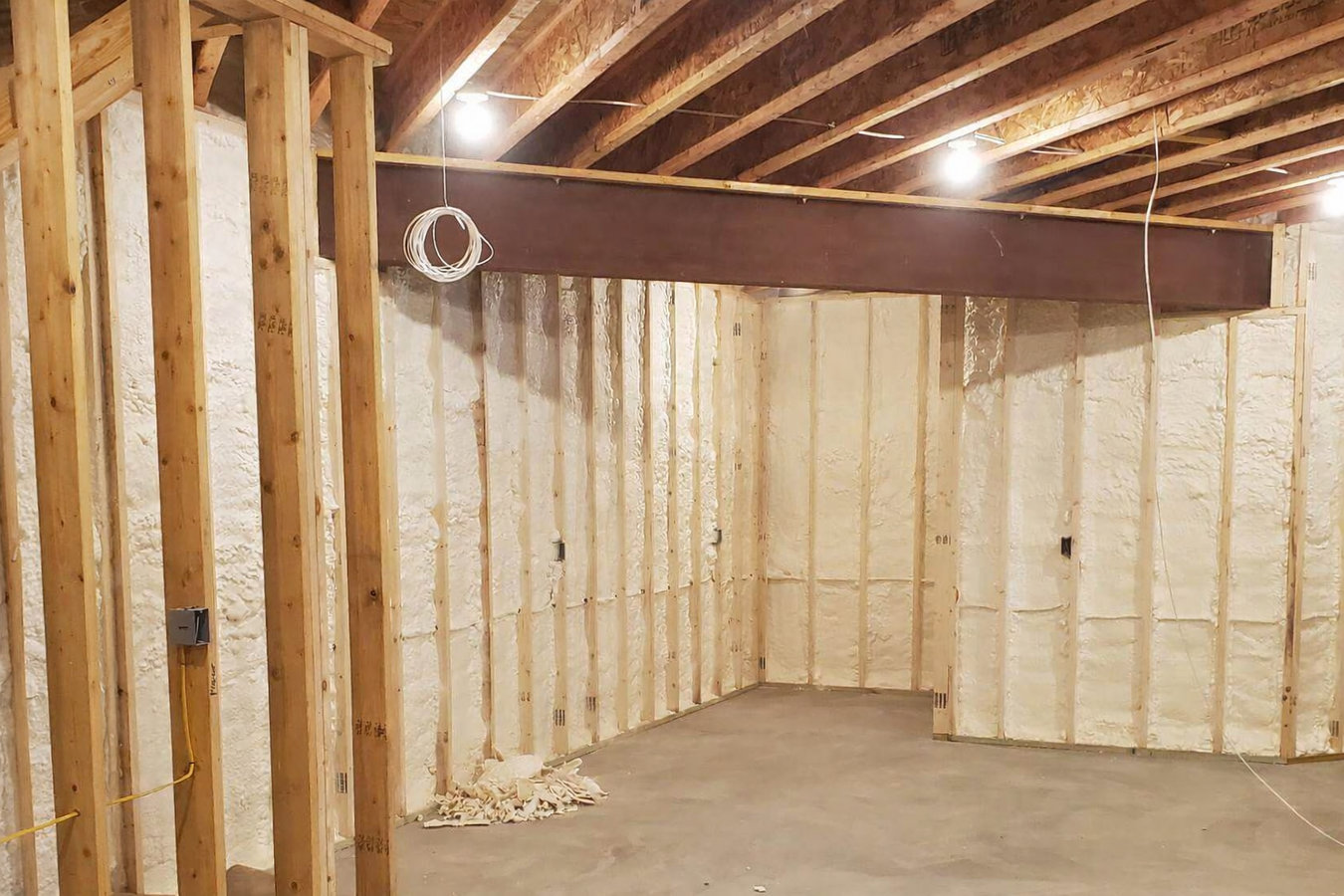
An uninsulated basement costs you money every month. We assess moisture first, choose the right material, and install it correctly so your home stays comfortable all year.
Basement insulation in Natchitoches stops heat and moisture from moving through your foundation walls, keeping conditioned air inside longer and reducing how hard your air conditioner has to work. Most residential jobs cover the walls and the rim joist - the framing that sits on top of your foundation - and are completed in one to two days.
In a hot, humid climate like ours, an uninsulated basement is one of the main reasons energy bills stay high from April through October. Hot, moist outside air seeps in through the foundation, forcing your cooling system to work overtime just to hold the temperature you set. If you have noticed your lower floors feeling stuffy or warmer than the rest of the house, that is the basement working against you.
Basement insulation often pairs well with closed-cell foam insulation, which provides the moisture barrier most Natchitoches basements need alongside its thermal performance.
If your electricity bill climbs sharply in May and stays high through October, your home is likely losing cooled air somewhere. In Natchitoches, where air conditioning runs for six or more months, an uninsulated basement is one of the most common culprits. If your bills seem high compared to neighbors with similar-sized homes, it is worth having someone look.
A persistent musty odor is a clear sign that humid outside air is getting into your basement and staying there. In Natchitoches's climate, that moisture condenses on cool surfaces and creates conditions mold needs to grow. If you can smell it, the problem has likely been building for a while.
If the floor above your basement feels warmer than the rest of your home during summer, heat is moving up through an uninsulated assembly. This is a sign that your basement is acting as a heat source rather than a buffer. In an older Natchitoches home, this is especially common because original construction did not account for today's energy costs.
Walk around the inside edge of your basement and look at where the walls meet the framing above. If you can see light coming through, feel outside air, or notice old fiberglass insulation that has fallen down or turned dark with moisture, the system has failed. This is common in Natchitoches homes built before the 1980s.
We install two primary materials for basement walls: spray foam and rigid foam board panels. For most Natchitoches basements, closed-cell foam insulation is the top recommendation because it creates an airtight, moisture-resistant barrier in a single application. It expands to fill gaps, adheres directly to the wall surface, and does not absorb water - which is the single most important quality in a hot, humid climate. We also pair basement work with broader crawl space insulation services for homes that need both areas addressed.
Rigid foam board panels are a solid alternative for homeowners working within a tighter budget. They cost less per square foot, require no curing period, and perform well when cut and installed carefully with sealed edges. The tradeoff is that they require more precision during installation to avoid gaps - any opening left unsealed allows humid Louisiana air to sneak through. Every job starts with a moisture assessment, so you know the walls are ready before any material goes in.
Best suited for basements with moisture concerns or complex wall layouts where gap-free coverage is a priority.
A cost-effective option for basements with straight, accessible walls and no active moisture intrusion.
Targeted treatment for the framing at the top of the foundation - one of the most common air leak points in older Natchitoches homes.
For homes where both areas need attention, we scope and complete the work together to prevent gaps in coverage.
Natchitoches sits in a hot, humid climate zone where summer temperatures regularly exceed 90 degrees and humidity stays high for most of the year. Unlike homeowners in northern states who insulate primarily to stay warm, Natchitoches homeowners benefit most from insulation that keeps cool air inside during the long summer. The financial case here is built around cooling costs, not heating - and an uninsulated basement is one of the most direct ways that expensive cooled air escapes while hot outside air takes its place. Homes in Provencal and throughout the surrounding parish face the same climate conditions, making basement insulation just as relevant for rural properties as for homes in town.
Natchitoches also has a significant stock of older homes, including many built before the 1980s on pier-and-beam or block foundations. These homes were often constructed with little or no basement insulation, and many have foundation configurations that require custom approaches. The clay-heavy soils common throughout Natchitoches Parish hold rainwater against foundation walls after heavy rain - which is why any insulation project here starts with an honest assessment of moisture conditions rather than going straight to material selection. Homeowners in Campti and other communities in the area share this same older-home reality. The U.S. Department of Energy recommends addressing basement moisture before insulating to protect both the material and the structure behind it.
We will ask a few basic questions - basement size, finished or unfinished, any moisture history. You hear back within one business day and we schedule a site visit at a time that works for you.
We walk your basement and look at the walls, perimeter framing, any existing insulation, and signs of moisture before recommending materials. This visit takes 30 to 60 minutes and we explain everything we see.
You receive a written estimate that breaks down materials, scope, and total cost. If moisture prep is included, we explain why. No surprise line items on the final invoice.
Most jobs finish in one day. Before we leave, we walk you through the finished work so you can see the coverage and ask any final questions. The basement is left clean with no loose material.
Free estimate, no obligation. We assess moisture first and explain every step before any work begins.
(318) 581-4859We check for water intrusion, efflorescence, and drainage issues before recommending any material. Insulating over a wet wall makes problems worse - we catch that before it becomes your problem.
Every basement job starts with a free written estimate that lays out the scope, materials, and price before we begin. You know exactly what to expect, and we document the finished work so you have a clear record.
We have worked on older homes throughout Natchitoches Parish - pier-and-beam foundations, block walls, and everything in between. Local construction knowledge makes a real difference in how a job gets scoped and executed.
You get a written estimate that covers everything - materials, prep, and cleanup. The number on the estimate is the number on the invoice. No surprises, no additions after the crew shows up.
Every one of those details matters when you are hiring someone to work inside your foundation. We take the assessment seriously, we explain what we find, and we back the work with a written price before a single piece of material goes in.
Rigid, moisture-resistant spray foam that creates an airtight seal on basement walls and other hard-to-reach areas.
Learn MoreInsulation and air sealing for open crawl spaces - stops humid ground air from reaching your floors and living space.
Learn MoreNatchitoches summers are long - the sooner your basement is insulated, the sooner your energy bills start coming down. Call or submit a request now.